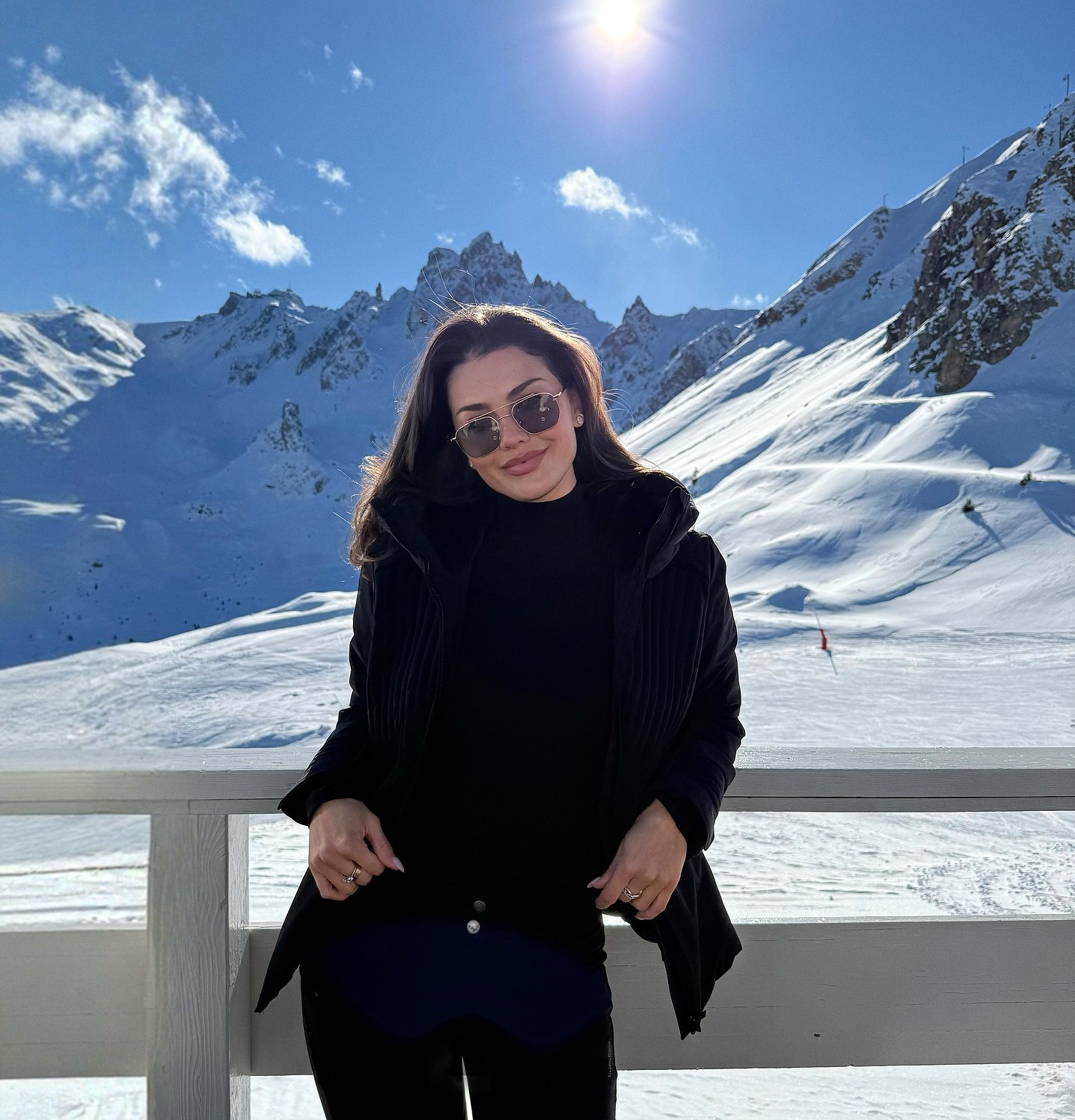
Penelope Chloe, known on Instagram as @penelopechloe, is a model and content creator whose online presence brings together beauty, fashion and lifestyle. Publicly available information points to a career built not only on polished images, but also on behind-the-scenes glimpses of modelling and product-focused content that connects her work to everyday routines.
A model with a creator’s platform
Penelope’s representation by INTHEKNOW Global describes her as a professional model and influencer working across beauty, modelling and luxury. The agency highlights her hair and makeup content, travel and product recommendations as recurring themes, and lists an email address for professional enquiries. In an April 2024 introduction, the agency also described her as a full-time model and content creator who shares behind-the-scenes material, beauty tips and outfits.
That combination reflects a broader change in fashion and beauty careers. A model’s portfolio is no longer confined to agency materials, magazine pages or campaign images: social platforms can also function as a public-facing portfolio, a publishing channel and a way for audiences to follow the person behind the image. In Penelope’s case, the available descriptions suggest that her content sits at the meeting point of traditional modelling and creator-led communication.
The distinction matters. Modelling work is generally produced around a brief, a client and a creative team; creator content can feel more conversational and personal, even when it is carefully planned or commercially commissioned. Moving between those formats gives a creator opportunities to show both the finished look and some of the process behind it.
Beauty, style and everyday presentation
Beauty is one of the clearest strands of Penelope’s public profile. The agency describes her as sharing beauty content and product recommendations, while an official Clinique UK post from October 2025 features her in a short skincare-and-makeup routine. The post names Moisture Surge Active Glow Serum, Moisture Surge 100H and Almost Lipstick in Pink Honey.
Fashion and outfit content are another visible part of her positioning. INTHEKNOW Global’s introduction specifically mentions her outfits, while the agency profile frames her content around beauty, modelling and luxury. Together, those themes give the account a coherent lifestyle identity: beauty routines and clothing are presented not as isolated subjects, but as elements of an aspirational personal style.
That kind of mix also helps explain the appeal of creator-led fashion and beauty content. Followers can encounter a look as inspiration, see products incorporated into a routine, and get a sense of how a model presents herself outside a formal campaign. The format can be influential precisely because it feels closer to daily life than a conventional advertisement—though sponsored or gifted material should still be understood as commercial content where applicable.
Brand work and the commercial dimension
Publicly indexed examples show Penelope appearing in promotional beauty content. A WellaStore article on holiday hairstyling credits Penelope Chloe as its model, alongside hairstylist Michael Gray. The article places her image within a professional beauty context, although it does not provide a broader biography or a detailed account of the shoot.
A separate example appears in a Modash catalogue of Beautifect creator content: it lists a Penelope Chloe post dated 27 November 2024, with a 35-second video and the caption fragment, “my Beautifect Box has truly been a game-changer.” Because the catalogue is a third-party tracking service, it is best treated as evidence that the post was indexed there—not as a complete record of the campaign’s terms or performance.
These examples point to a commercial role common to many fashion and beauty creators: translating a product into a visual demonstration or personal recommendation. Effective sponsored content has to serve several interests at once. It should be recognisable as the creator’s own style, understandable to the audience and clear about its relationship to the brand. The most persuasive version of this work does more than display an item; it shows where the product fits into a routine or a look.
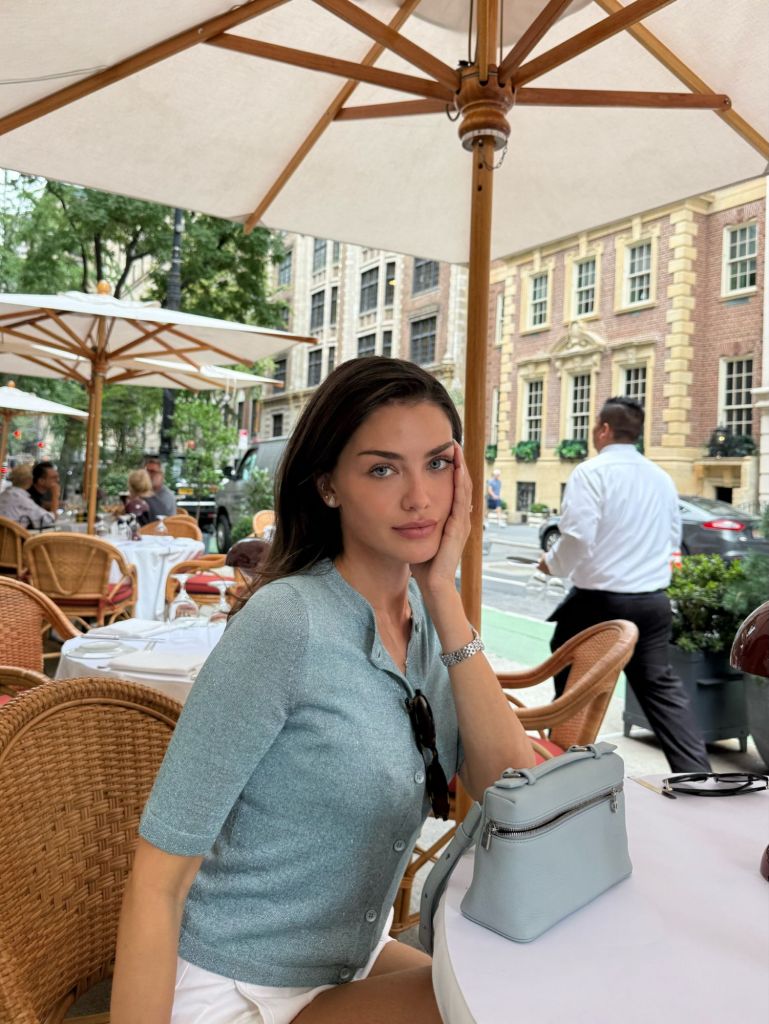
For audiences, transparency is essential. A brand mention, gifted product or paid partnership can all shape how a recommendation should be interpreted. The available sources confirm examples of brand-linked content, but they do not provide enough information to establish the precise commercial terms of every post.
The work behind the image
A finished fashion or beauty image can make modelling appear effortless. In practice, such work is collaborative: photographers, stylists, hair and makeup artists, production teams, clients and models all contribute to the result. Wella’s credit to both Penelope and hairstylist Michael Gray offers a small, concrete reminder of that shared process.
Social platforms can make some of this work more visible by giving creators room to share preparation, routines and behind-the-scenes moments. INTHEKNOW Global says Penelope shares material from her life as a full-time model, but the sources reviewed here do not provide enough detail to describe her specific schedule, working methods or career history.
It is also difficult to measure a creator’s influence from follower totals alone. One third-party ranking indexed in October 2026 placed Penelope among London beauty creators and estimated her audience at about 246,000 followers. Such figures are snapshots produced by outside services, not verified or permanent totals; audience size can change, and rankings use their own methods.
A profile shaped by visual storytelling
Penelope Chloe’s public-facing identity is clearest where modelling meets lifestyle publishing. Agency descriptions, brand-linked examples and professional image credits portray a creator working across beauty, fashion and commercial modelling—not simply an account built around photographs.
That hybrid position is increasingly valuable in a visual marketplace. Brands can work with models who bring both on-camera experience and an established channel for presenting products, while audiences can follow a recognisable style across campaign imagery and more personal-feeling content. Penelope’s publicly documented work offers examples of that overlap, from a professional hairstyling feature to beauty and product posts.
A fuller account of her life and career would require direct interviews or additional first-party material. Based on the sources available, the most responsible portrait is of a model and creator whose content centres on beauty, outfits and lifestyle, and whose professional presence connects social media with commercial fashion and beauty work.

